
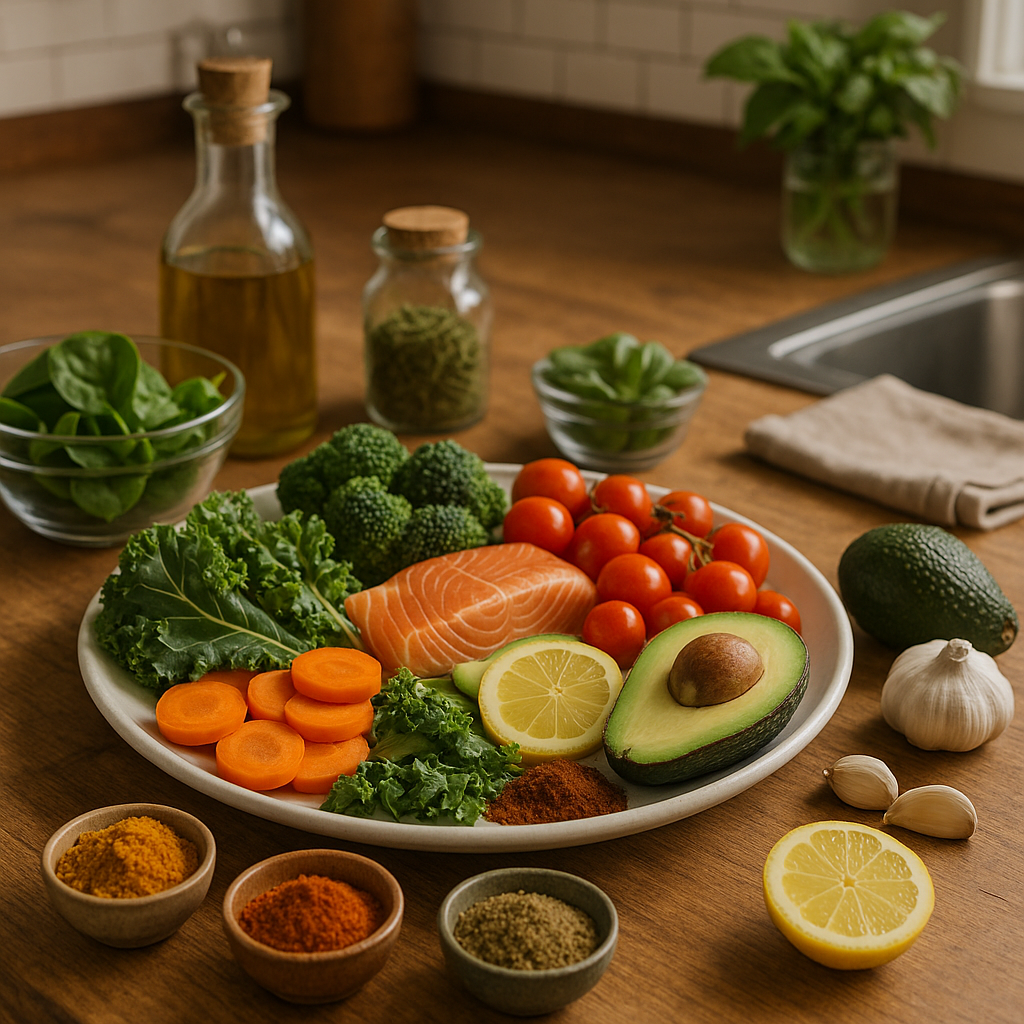
Long before pharmacies and synthetic medications, people turned to nature’s apothecary: herbs and spices.
Used across cultures for centuries, these aromatic plants are more than flavor enhancers — they are potent, natural tools for healing, balance, and prevention.
When you begin using herbs and spices intentionally in your daily cooking, your kitchen becomes a healing space. Each pinch, stir, and infusion becomes an act of care — for your body, your mind, and your entire system.
Let’s explore how these everyday ingredients offer real, accessible wellness — without pills or extremes.
1. Why Herbs and Spices Are Healing by Nature
Unlike supplements or processed health products, herbs and spices are:
- Whole, unprocessed parts of plants
- Rich in phytochemicals, antioxidants, and volatile oils
- Naturally anti-inflammatory, antimicrobial, and detoxifying
- Safe when used in small, culinary amounts daily
They work gently and consistently — ideal for prevention, support, and long-term vitality.
2. Ginger: The Root of Fire and Flow
Used in Ayurveda, Chinese medicine, and folk traditions, ginger is:
- Warming
- Circulation-boosting
- Anti-inflammatory
- Great for digestion and nausea
How to use:
- Add grated ginger to stir-fries, soups, or tea
- Simmer in water with lemon and honey
- Use dried ground ginger in baking or smoothies
Ginger heals from the core — especially when you feel stagnant, cold, or inflamed.
3. Turmeric: The Golden Healer
Turmeric contains curcumin, a powerful antioxidant and anti-inflammatory compound.
Benefits:
- Joint support
- Liver detox
- Skin clarity
- Brain protection
- Immune balance
Use it:
- In golden milk (with plant milk, cinnamon, pepper, honey)
- In curries, soups, or rice dishes
- With black pepper to improve absorption
A little turmeric daily keeps inflammation at bay — gently and naturally.
4. Cinnamon: Sweet Balance
Cinnamon isn’t just for desserts — it’s a healing spice for:
- Blood sugar regulation
- Circulation
- Heart support
- Mood and brain clarity
Use daily:
- In oats, teas, smoothies, or stews
- On sweet potatoes, baked apples, or even coffee
- Combine with honey and ginger for a warming immune tonic
Cinnamon brings sweetness and stability — inside and out.
5. Garlic: Nature’s Antibiotic
Raw or cooked, garlic supports:
- Immune health
- Cardiovascular protection
- Gut balance (it’s antimicrobial)
- Blood pressure regulation
Best when:
- Crushed and left to sit for 10 minutes (activates allicin)
- Added to soups, dressings, sautés, roasted veggies
Garlic reminds us: healing doesn’t have to be fancy — just honest and powerful.
6. Oregano: Small Leaf, Big Power
Oregano is:
- Antiviral
- Antibacterial
- Antifungal
- Digestive and respiratory supportive
Use:
- Dried or fresh in sauces, legumes, roasted vegetables
- In oil form (only with professional guidance)
- As a tea for colds and congestion
Oregano brings resilience — especially during seasonal transitions.
7. Rosemary: Clarity and Circulation
This aromatic herb stimulates:
- Brain function
- Circulation
- Digestion
- Focus and memory
How to use:
- Infuse in olive oil
- Add to roasted potatoes, mushrooms, or breads
- Use fresh sprigs in tea or lemon water
Rosemary energizes and sharpens — a true herb of mental clarity.
8. Basil: Softness and Harmony
Fresh basil is not just flavorful — it supports:
- Nervous system health
- Mood balance
- Anti-bacterial defense
- Liver and digestion
Try:
- Blending into pesto
- Adding to fresh salads
- Using holy basil (tulsi) as tea for anxiety and sleep
Basil is gentle but effective — like a friend who knows how to calm you.
9. Peppermint: Cooling and Calming
Peppermint helps:
- Soothe digestive issues
- Reduce headaches
- Clear the respiratory system
- Ease tension and heat in the body
Use as:
- Fresh tea
- Added to desserts or smoothies
- An infused oil for tension relief
Peppermint cools the body — and the emotions.
10. Simple Ways to Integrate Herbs and Spices Daily
You don’t need to make elaborate recipes. Try:
- Herbal tea rituals: Drink 1–2 cups of herbal tea daily
- Spice your grains: Add turmeric, cumin, or cinnamon to rice and oats
- Infuse oils and vinegars with garlic, basil, rosemary, chili
- Fresh herb toppings: Add parsley, cilantro, or mint before serving
- Dry rubs and marinades: Use spice blends on roasted vegetables or protein
Consistency matters more than quantity — little by little, healing builds.
Final Thought: Your Spice Rack Is Your Medicine Cabinet
The most healing choices are often the most familiar and accessible.
They live in your kitchen, your garden, your heritage.
You don’t need expensive superfoods to heal.
You need connection — to tradition, to nature, and to your own body’s needs.
Every meal is a chance to heal with:
- Intention
- Simplicity
- Aroma
- Color
- Care
Let herbs and spices remind you that healing is not complicated — it’s already in your hands.