
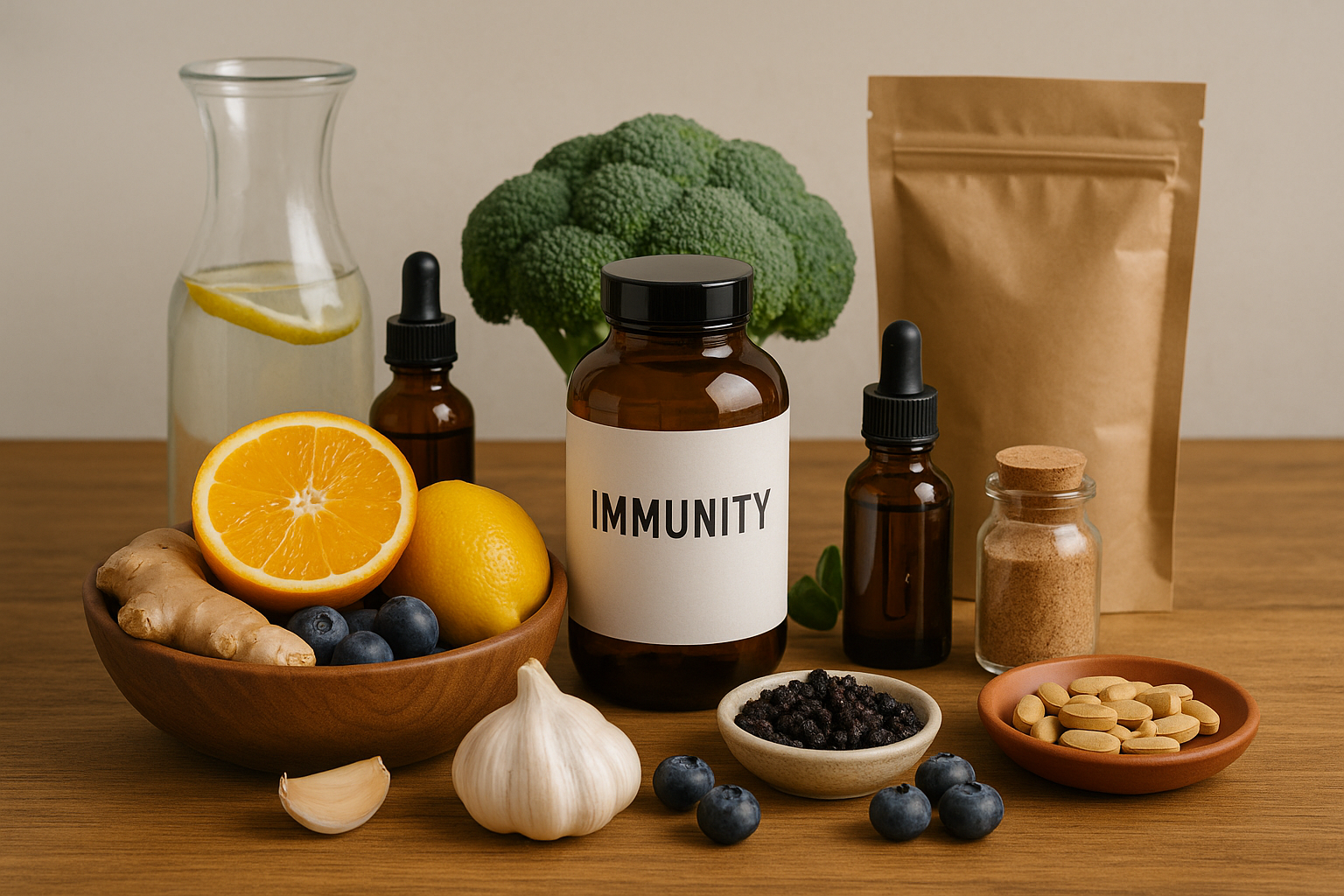
Your immune system works hard every single day — not just during cold and flu season. And while quick fixes and supplements get a lot of attention, the best way to build real immune resilience is through consistent, natural habits.
In this article, you’ll learn how to support your immune system naturally all year long, using foods, herbs, daily routines, and lifestyle habits that are safe, sustainable, and rooted in wellness.
Why Natural Immunity Support Matters
Your immune system is complex — it includes your gut, lymphatic system, white blood cells, skin, and even your emotions. Supporting it naturally means helping your body do what it’s already built to do:
- Fight infections
- Reduce inflammation
- Maintain balance
- Heal faster
The goal isn’t to “boost” immunity in a chaotic way — it’s to nourish it deeply.
1. Prioritize Deep, Restful Sleep
Sleep is one of the most powerful immune regulators.
During sleep, your body:
- Produces infection-fighting cytokines
- Repairs tissue and clears inflammation
- Strengthens memory and hormone balance
Tips for better natural sleep:
- Go to bed and wake up at consistent times
- Avoid blue light an hour before sleep
- Use lavender oil, herbal tea, or magnesium
- Create a wind-down ritual (reading, journaling, stretching)
Aim for 7–9 hours of high-quality sleep.
2. Hydrate with Purpose
Dehydration weakens lymph flow — and lymph carries immune cells through your body.
Tips:
- Start your day with warm lemon water
- Drink herbal teas like ginger, chamomile, or nettle
- Add cucumber, mint, or berries to your water for flavor
- Use glass or stainless steel bottles to avoid toxins
Staying hydrated helps flush toxins and keeps immune cells circulating efficiently.
3. Eat Whole, Colorful Foods
Your diet is your first line of defense. Whole, plant-based foods provide the vitamins, minerals, and antioxidants your body needs to function properly.
Focus on:
- Leafy greens and cruciferous vegetables
- Citrus fruits, berries, and pomegranate
- Garlic, onions, and ginger
- Nuts, seeds, and legumes
- Fermented foods for gut health (kimchi, sauerkraut, miso)
Avoid: Excess sugar, processed snacks, artificial additives — they can suppress immunity.
4. Move Your Body (Without Overdoing It)
Physical activity helps flush bacteria from the lungs, improves circulation, and reduces stress hormones.
Best immune-supporting movement:
- Gentle walks or hikes in nature
- Yoga or tai chi
- Dancing
- Resistance training in moderation
Tip: Avoid intense overtraining, which can suppress immune function if not balanced with recovery.
5. Manage Stress Naturally
Chronic stress raises cortisol, which suppresses immune response.
Support your nervous system with:
- Daily breathwork or meditation
- Journaling or talking with someone you trust
- Herbs like ashwagandha or lemon balm
- Gentle outdoor time — especially sunlight and fresh air
Even 5 minutes of stillness can help rebalance your inner world.
6. Support Your Gut (It’s 70% of Your Immunity)
A healthy gut lining and balanced microbiome are essential for immune defense.
Natural gut support:
- Eat prebiotic foods (onion, garlic, leeks, bananas)
- Include probiotic-rich foods (fermented foods, plain yogurt)
- Limit antibiotics and synthetic additives
- Use bone broth or L-glutamine for gut repair (if tolerated)
Your gut is where immune decisions are made — feed it well.
7. Include Immune-Supporting Herbs and Supplements
Some herbs and nutrients are well-known for immune support:
- Elderberry: Antiviral, rich in antioxidants
- Echinacea: Stimulates white blood cell activity
- Vitamin C and Zinc: Essential for immune cell function
- Vitamin D3: Supports overall immune regulation
- Astragalus Root: Builds resilience over time
- Mushrooms (Reishi, Chaga, Shiitake): Adaptogens that balance immunity
Always consult a healthcare provider before starting new herbs or supplements — especially if pregnant or on medication.
8. Minimize Toxins in Your Environment
Household chemicals, plastic, smoke, and mold can trigger immune dysfunction.
Easy swaps:
- Use natural cleaning products
- Avoid synthetic air fresheners
- Store food in glass instead of plastic
- Add plants for natural air purification
A clean environment supports a calm immune system.
9. Get Regular, Moderate Sunlight
Sunlight helps your body produce vitamin D, a key hormone-like nutrient that regulates immune health.
Try to get:
- 15–20 minutes of direct sunlight per day on face, arms, and legs
- Or supplement with vitamin D3, especially in winter or low-sun regions
10. Listen to Your Body
When you feel rundown, take it seriously. Rest. Hydrate. Slow down.
Your immune system knows what to do — you just need to give it what it needs.
Final Thought: Immunity Is Built Daily, Not Seasonally
You don’t need to panic every flu season. You need to honor your body year-round — with food, movement, rest, and connection to nature.
By living in tune with natural rhythms, your immune system becomes not just stronger, but smarter.
Take care of your body like it’s your first home — because it is.