
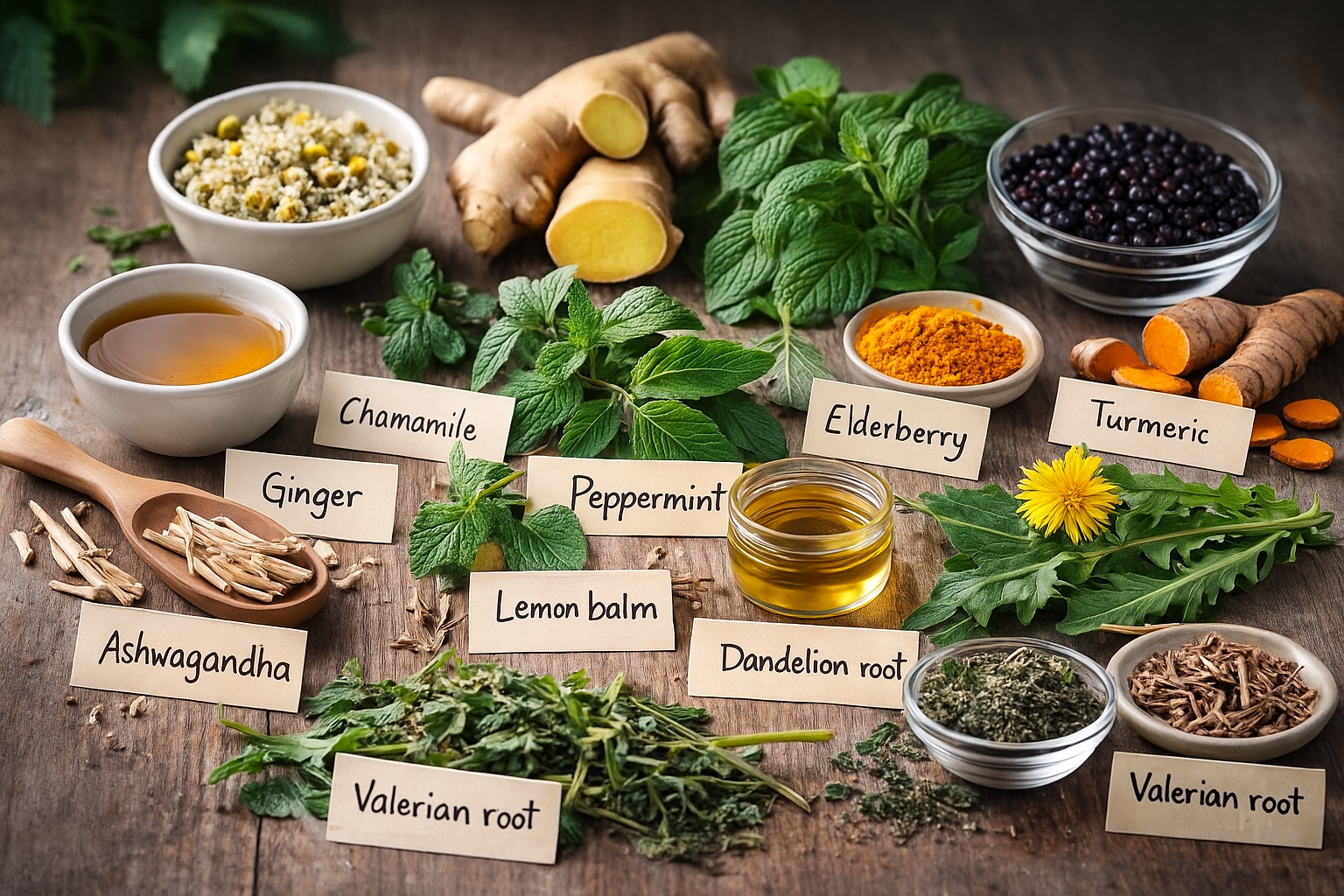
Long before pharmaceuticals, humans turned to herbs for healing — and many of those traditional remedies still work today. While herbal remedies shouldn’t replace medical care when needed, they can gently support the body in its natural healing processes.
In this article, you’ll discover safe, time-tested herbs for everyday wellness, what they’re used for, and how to incorporate them into your life with confidence and care.
Why Use Herbal Remedies?
Herbal remedies offer a natural approach to:
- Strengthening the immune system
- Supporting digestion
- Reducing stress and anxiety
- Enhancing sleep
- Improving energy and focus
- Easing mild discomfort
They’re gentle, affordable, often easy to find, and can be used preventively.
Important Disclaimer
Always check with a healthcare provider or holistic practitioner before starting any new herb — especially if you are pregnant, breastfeeding, taking medications, or have a medical condition.
Now let’s look at the most loved and respected herbs in natural wellness.
1. Chamomile – Calming the Nervous System
Best for: Anxiety, insomnia, digestive upset
Chamomile has mild sedative properties and is often used to calm the mind, soothe stomachaches, and promote restful sleep.
Use it as: Tea before bed or during stressful days
2. Ginger – Warming and Digestive
Best for: Nausea, bloating, circulation
Ginger is a powerful root that stimulates digestion, warms the body, and reduces inflammation.
Use it as: Fresh tea, added to smoothies, or in cooking
3. Peppermint – Cooling and Soothing
Best for: Headaches, indigestion, mental clarity
Peppermint helps relieve tension and soothe the digestive tract. It’s also refreshing and uplifting.
Use it as: Tea, essential oil (diluted), or added to water
4. Elderberry – Immune Support
Best for: Viral infections, immune boosting
Elderberries are high in antioxidants and have been traditionally used to support the body during cold and flu season.
Use it as: Syrup, gummies, or tea
5. Turmeric – Anti-Inflammatory Power
Best for: Joint pain, inflammation, skin health
Turmeric’s curcumin compound helps reduce inflammation throughout the body and supports overall balance.
Use it as: Golden milk, capsules, or added to soups and smoothies
6. Lemon Balm – Gentle Nervous System Support
Best for: Stress, restlessness, digestion
Lemon balm is a calming herb that can help balance mood and ease tension.
Use it as: Tea, tincture, or infused water
7. Ashwagandha – Adaptogenic Strength
Best for: Stress resilience, hormonal balance, fatigue
Ashwagandha is a famous adaptogen, which means it helps the body adapt to physical and mental stress.
Use it as: Powder in smoothies or capsules
8. Dandelion Root – Liver and Digestion Support
Best for: Bloating, sluggish digestion, skin clarity
Dandelion root stimulates liver function and helps the body eliminate toxins.
Use it as: Tea or tincture
9. Nettle Leaf – Mineral-Rich Nourishment
Best for: Seasonal allergies, fatigue, inflammation
Nettle is rich in iron, calcium, and vitamins, making it a great herbal tonic.
Use it as: Tea, tincture, or added to soups
10. Valerian Root – Deep Sleep Aid
Best for: Insomnia, restlessness, nervous system tension
Valerian is one of the most potent natural sleep aids but should be used with care due to its strong effect.
Use it as: Evening tea or capsule (not for daytime use)
How to Start with Herbal Remedies (Safely)
- Begin with one herb at a time to see how your body reacts
- Use small doses and work your way up if needed
- Choose organic, high-quality sources
- Respect the herb’s properties — natural doesn’t mean risk-free
- Keep a simple herbal log or journal if using multiple herbs
Final Thoughts: Nature as Support, Not a Shortcut
Herbal remedies aren’t magic pills, but they’re powerful allies in a lifestyle that values prevention, presence, and nourishment. They remind us to slow down, observe our bodies, and use the wisdom of plants to support long-term health.
Start with one cup of tea. One root. One ritual. That’s how herbal wellness begins.