
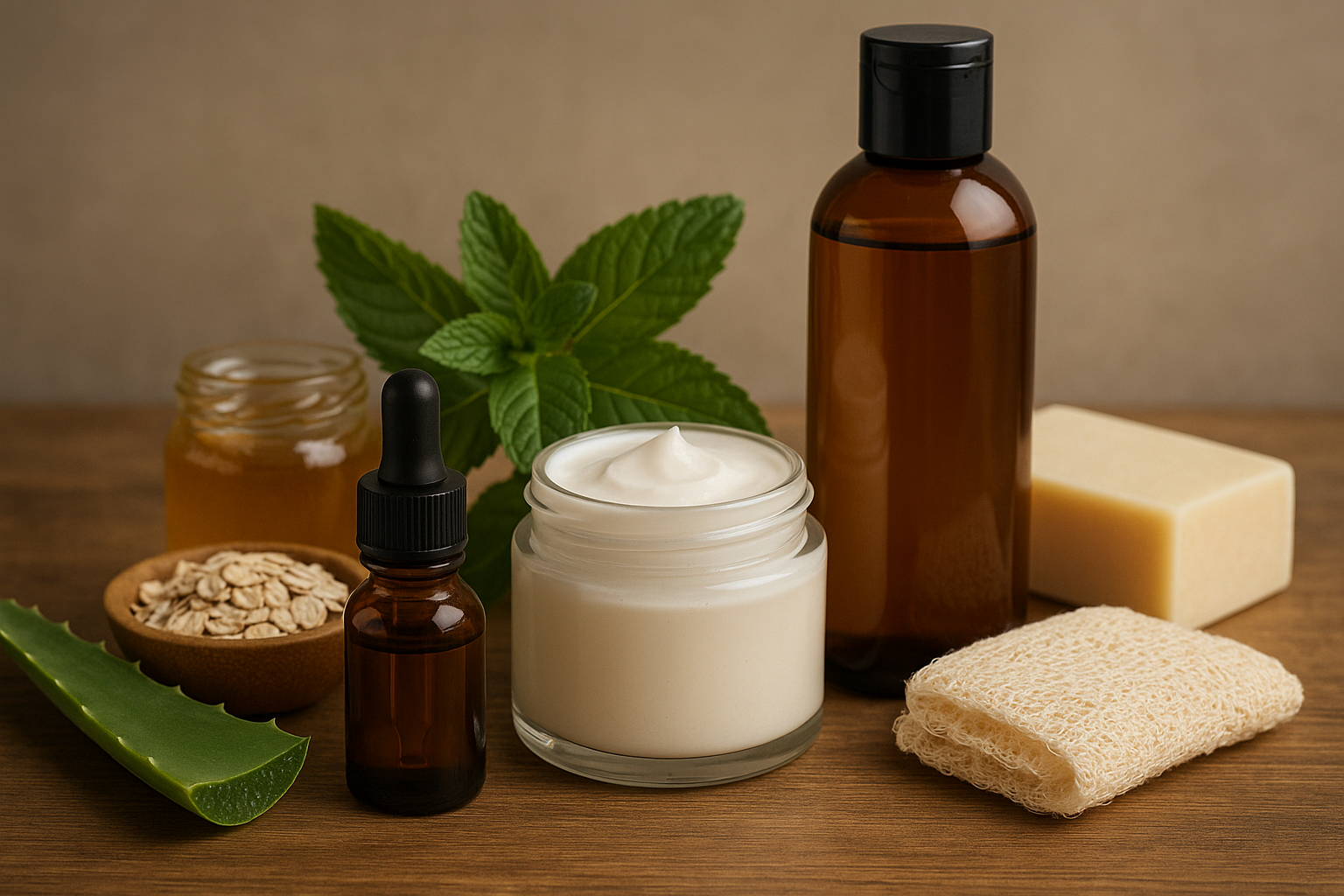
As the clean beauty movement continues to grow, so does the number of brands jumping on the “natural” bandwagon. But not all that claims to be natural truly is—and many “natural beauty” products still contain questionable ingredients that may be harmful to your skin or health over time. In this article, we dive into what to look out for and avoid when shopping for beauty products labeled as “natural.”
The Rise of Greenwashing in the Beauty Industry
“Greenwashing” is a marketing tactic where brands make their products appear more natural, sustainable, or non-toxic than they actually are. It plays on consumers’ desires to choose healthier, eco-friendlier options—but often, these claims are misleading or downright false.
Many products may feature earthy packaging, plant-based imagery, and buzzwords like “pure,” “clean,” or “eco,” while still containing ingredients that can cause irritation, disrupt hormones, or harm the environment.
Key Red Flags in ‘Natural’ Beauty Products
Just because something is labeled as “natural” doesn’t mean it’s safe or beneficial. Here are some ingredients and practices to watch out for.
1. Fragrance (Parfum)
Why to Avoid It:
Fragrance is a catch-all term that can include hundreds of undisclosed synthetic chemicals. These can cause allergic reactions, skin sensitivity, and in some cases, act as endocrine disruptors.
What to Look for Instead:
Choose products labeled “fragrance-free” or “scented with essential oils” (but only if you tolerate them well).
2. Sodium Lauryl Sulfate (SLS)
Why to Avoid It:
Commonly used in shampoos and facial cleansers, SLS is a harsh surfactant that can strip the skin’s natural oils, causing dryness, irritation, and breakouts.
Natural Alternatives:
Look for cleansers with gentler foaming agents like coco-glucoside or decyl glucoside derived from coconut or sugar.
3. Parabens
Why to Avoid It:
Parabens (like methylparaben or propylparaben) are used as preservatives but have been linked to hormonal disruption and possible links to breast cancer.
Safer Options:
Seek products preserved with natural alternatives like potassium sorbate or sodium benzoate in low concentrations.
4. PEGs (Polyethylene Glycols)
Why to Avoid It:
Used to improve texture and absorption, PEGs are petroleum-derived compounds that can be contaminated with 1,4-dioxane, a potential carcinogen.
Natural Alternatives:
Natural butters, oils, or waxes (like shea butter or beeswax) can be used to enhance texture without health risks.
5. Synthetic Dyes
Why to Avoid It:
Artificial colors (often labeled as FD&C or D&C) are derived from petroleum and may cause allergic reactions or skin irritation.
Natural Alternatives:
Choose products tinted with plant extracts like beetroot, turmeric, or cocoa.
6. Phenoxyethanol
Why to Avoid It:
A common preservative in “clean” beauty products, phenoxyethanol has been associated with skin irritation and nervous system effects in infants.
What to Look for Instead:
Opt for products that use fermented ingredients or airtight packaging to naturally prevent contamination.
7. Essential Oils in High Concentrations
Why to Be Cautious:
While essential oils can be beneficial in small amounts, in high concentrations they can be irritating, especially for sensitive skin.
Tips:
Check if oils like tea tree, lavender, or citrus are listed near the top of the ingredients list. If so, it may be too strong for daily use.
8. “Natural” Doesn’t Always Mean Safe
Even some natural ingredients can be problematic. For example:
- Citrus oils can make your skin photosensitive.
- Cinnamon can cause burning sensations.
- Baking soda may disrupt your skin’s pH if used too often.
Always patch test any new natural product before using it on your face or body.
How to Read Labels More Mindfully
Learning how to read labels is key to making informed choices. Here’s how:
- Shorter is better: Products with a short list of recognizable ingredients are often safer.
- Look for certifications: Labels like USDA Organic, Ecocert, or COSMOS can offer more transparency.
- Ingredients are listed by quantity: The first five ingredients make up the bulk of the product. Focus your scrutiny there.
Questions to Ask Before Buying
- Do I recognize these ingredients?
- Are there certifications from trustworthy sources?
- Is the fragrance naturally derived?
- Does the brand offer full transparency?
- Can I research each ingredient myself?
Building a Truly Natural Beauty Routine
- Start slow: Swap one product at a time to avoid overwhelming your skin and wallet.
- Go minimal: You don’t need 10 different serums. A cleanser, moisturizer, and sun protection may be all you need.
- DIY where possible: You can create effective face masks, scrubs, and toners at home using kitchen ingredients like oats, honey, and green tea.
Final Thoughts: Choose Nature, But Choose Wisely
Living a natural lifestyle means making intentional, informed choices—not just following trends or falling for marketing claims. The beauty industry can be confusing, even when it tries to look clean and honest. But by learning to read between the lines, you empower yourself to care for your body with integrity.
Remember: just because a label says “natural” doesn’t mean it’s good for you. Trust your instincts, do your research, and choose brands that value honesty and transparency.
Your skin—and the planet—will thank you.