
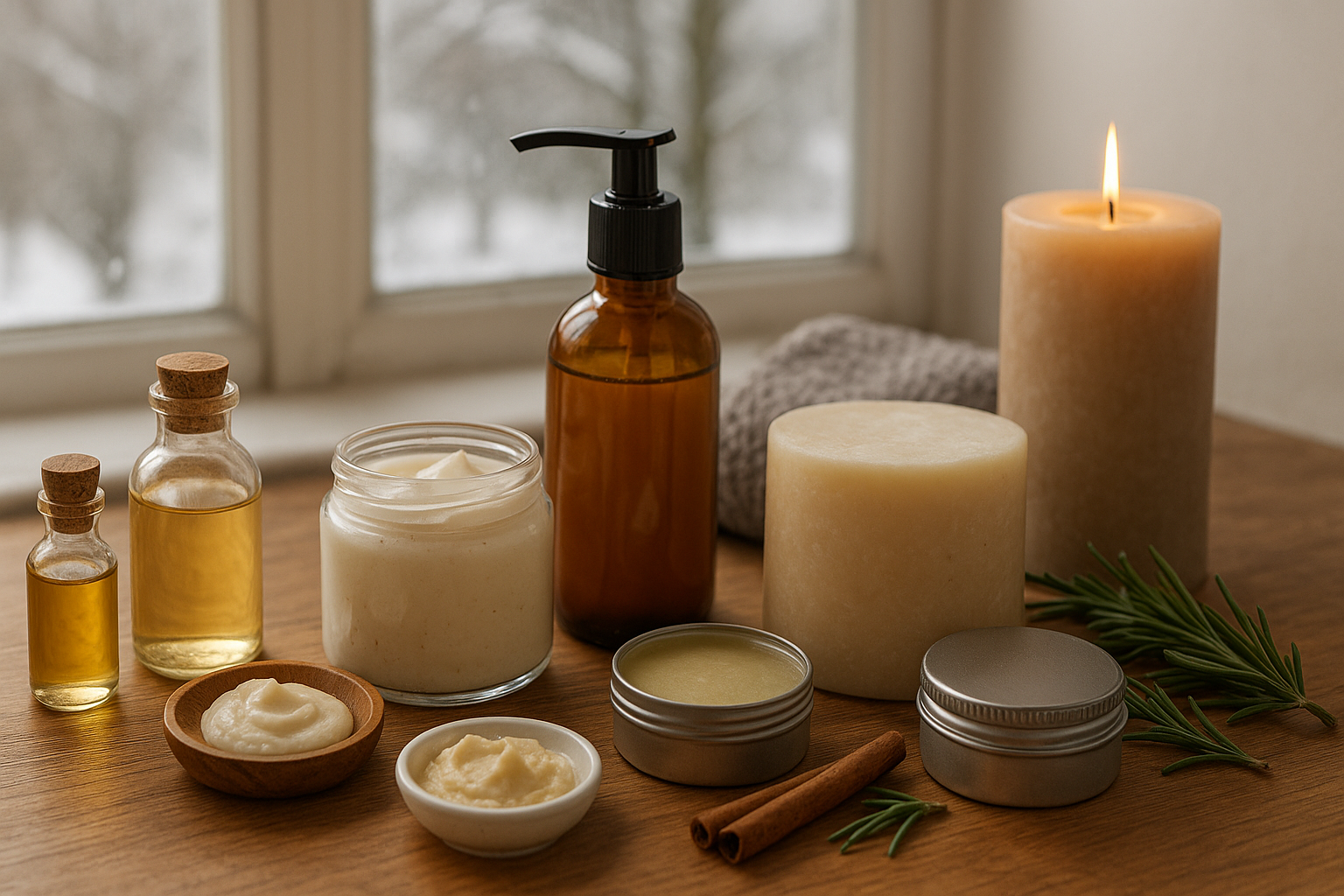
Winter brings a slower rhythm, cozy nights, and the beauty of stillness. But it can also bring dry skin, low energy, seasonal blues, and weakened immunity.
Instead of reaching for synthetic products or quick fixes, this is your invitation to let nature support you — through nourishment, warmth, and grounding care.
In this guide, you’ll discover the best natural products and habits to care for your body during winter, so you feel nurtured, balanced, and well all season long.
Why Winter Demands a Different Kind of Care
Your body adapts to the seasons. In winter, you might notice:
- Drier skin and lips
- Stiff joints and muscles
- Increased fatigue
- Emotional heaviness or sadness
- Lower immunity
This is not a problem to fix — it’s an invitation to slow down and nourish deeply, using natural elements your body already understands.
1. Hydrate from the Inside Out
Cold weather makes us less likely to drink water — but your body still loses moisture through skin and breath.
What helps:
- Warm herbal teas (chamomile, ginger, cinnamon, or rooibos)
- Lukewarm lemon water in the morning
- Coconut water or aloe juice (occasionally)
- Soups and broths made with whole vegetables
Avoid icy drinks and instead sip slowly throughout the day. Your skin and digestion will thank you.
2. Nourish Skin with Natural Oils and Butters
Synthetic lotions may sit on the skin — but natural oils sink deep, feeding your cells and sealing in moisture.
Best natural moisturizers for winter:
- Shea butter: rich, healing, ideal for cracked skin
- Coconut oil: lightweight and antimicrobial
- Sweet almond oil: gentle and deeply hydrating
- Jojoba oil: mimics skin’s natural sebum
- Calendula balm: soothes irritation or eczema
Apply oils right after a shower when skin is still damp.
3. Exfoliate Gently (But Don’t Skip It)
Dry winter skin often needs gentle exfoliation to absorb moisture better.
DIY natural scrubs:
- Brown sugar + olive oil
- Ground oats + honey
- Coffee grounds + coconut oil
Exfoliate once or twice a week, followed by a rich body butter or oil.
4. Protect Your Lips with Plant-Based Balms
Lips lose moisture faster than skin. Use a natural lip balm made with:
- Beeswax
- Shea butter
- Cocoa butter
- Coconut oil
- Calendula or chamomile extract
Avoid synthetic flavors, petroleum jelly, or artificial dyes.
5. Boost Immunity Naturally
Support your body’s defenses with powerful natural allies:
Herbal support:
- Elderberry syrup: antiviral and delicious
- Echinacea: helps fight off colds
- Ginger + turmeric tea: anti-inflammatory and warming
- Garlic: natural antibiotic properties
- Probiotics: support gut health (your immune system’s core)
Also consider a daily vitamin D3 supplement — winter sun is often not enough.
6. Create Warm, Moist Environments
Indoor heat can dry out the air, leading to dehydrated skin and respiratory issues.
Tips:
- Use a humidifier in bedrooms
- Hang wet towels near heat sources
- Diffuse eucalyptus or rosemary to clear sinuses
- Add essential oils to a bowl of hot water and inhale the steam
Your body thrives in moisture-rich air during winter.
7. Support Circulation with Natural Movement
Cold weather often brings stiffness. Gentle, daily movement helps your body stay warm, flexible, and energized.
Natural ways to move:
- Morning stretching with a few sun salutations
- A short walk (even 10 minutes)
- Gentle yoga or tai chi
- Dancing to warm up the body
Apply warming oils like ginger, black pepper, or cinnamon (always diluted!) to joints and muscles.
8. Embrace Slow, Nourishing Baths
A warm bath in winter is more than luxury — it’s therapy.
Natural bath ideas:
- Add Epsom salts + lavender oil for muscle relief
- Use oatmeal + chamomile tea bags to soothe skin
- Try a few drops of frankincense or cedarwood for grounding
Light a candle. Dim the lights. Let your body rest.
9. Soothe Winter Blues with Natural Light and Scents
Less sunlight affects mood. Bring nature inside to uplift your spirit.
- Sit by a window each morning
- Diffuse orange, bergamot, or lemongrass oils
- Use candles instead of harsh lighting
- Keep houseplants near your workspace
- Journal or reflect on what brings you warmth in winter
Your emotional well-being is just as important as physical.
10. Eat Warming, Seasonal Foods
Eat with the season — your digestion prefers it.
Best winter foods:
- Root vegetables (sweet potato, carrots, beets)
- Warming spices (ginger, cinnamon, turmeric)
- Bone broth or hearty vegetable soups
- Herbal infusions (thyme, rosemary, nettle)
- Warm grains like oats, quinoa, brown rice
Reduce raw, cold foods during this season. Cooked = comfort = digestion-friendly.
Final Thought: Let Winter Be Your Teacher
Winter isn’t a season to fight — it’s an invitation to go inward, slow down, and return to self-care.
Let nature guide you. Use her oils, herbs, waters, and warmth. You don’t need harsh products or synthetic fixes — just simple, honest care rooted in the earth.
Because your body knows what to do — it just needs support. Gently. Naturally.