
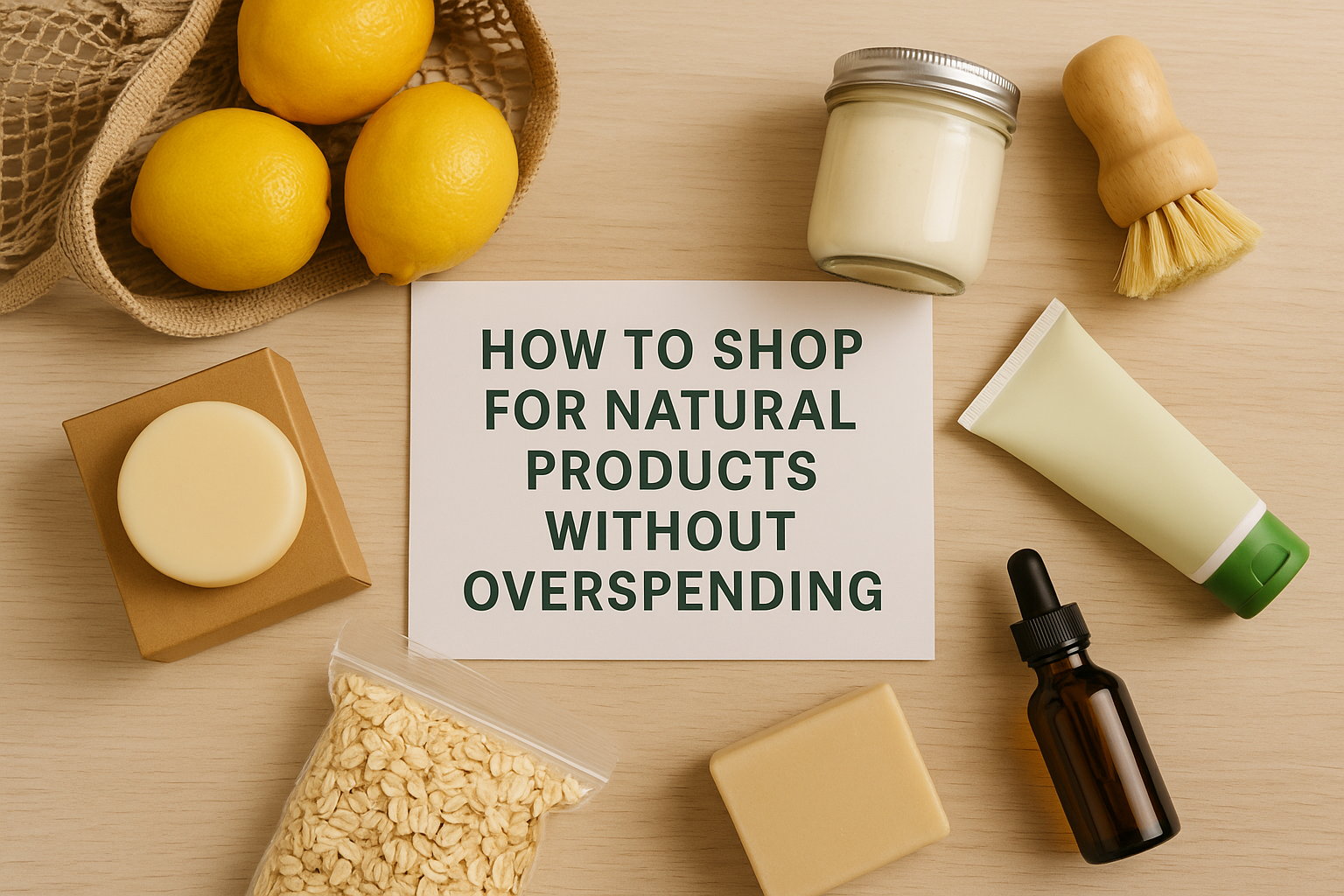
Making the shift to a natural lifestyle is empowering — but it can also feel expensive if you’re not careful. Organic foods, clean skincare, non-toxic cleaning supplies… the costs can add up quickly.
But here’s the truth: You don’t need to spend a fortune to live naturally. In this article, you’ll learn how to shop for natural products on a budget, with smart strategies that keep your health (and your wallet) in balance.
The Myth: Natural Living = Expensive
Many people assume that choosing natural products automatically means premium pricing. But the reality is:
- You can find high-quality products at affordable prices
- Many natural solutions are DIY or low-cost
- Strategic shopping reduces waste and overbuying
The key is to prioritize and plan, not just buy everything labeled “natural” or “eco”.
1. Know Your Priorities (Start With What Matters Most)
You don’t have to switch everything at once. Focus on areas where the impact is greatest.
Good starting points:
- Food: Choose organic for the Dirty Dozen
- Skincare: Products that stay on your skin (like moisturizer, deodorant)
- Cleaning: All-purpose sprays and laundry detergent
- Kitchen tools: Ditch plastic for glass or stainless steel over time
Ask yourself: “What do I use daily that touches my skin, food, or air?”
That’s where to invest first.
2. Shop in Bulk (When It Makes Sense)
Buying staples in bulk reduces packaging and saves money long term.
Good items to buy in bulk:
- Dried beans and grains
- Oats, flour, and seeds
- Soap bars and refillable liquids
- Epsom salt, baking soda, vinegar
Pro tip: Bring your own containers to zero-waste or refill shops for even more savings.
3. Learn to Read Labels (So You Don’t Overpay for Greenwashing)
Not all “natural” products are created equal. Some brands use trendy language but still include toxic ingredients.
Look out for:
- Fragrance (vague and synthetic)
- Parabens
- SLS/SLES (harsh sulfates)
- Phthalates
- PEGs and synthetic dyes
Focus on brands that are transparent and ingredient-conscious, not just expensive.
4. Make It Yourself (DIY Can Be Cheap and Effective)
Many everyday products can be made at home with simple ingredients.
DIY ideas:
- All-purpose cleaner: vinegar + water + lemon peel
- Body scrub: sugar + coconut oil + essential oil
- Mouthwash: filtered water + baking soda + peppermint oil
- Face mask: oats + honey + yogurt
You’ll save money and reduce waste — plus, you know exactly what’s in it.
5. Use Cashback, Rewards, and Coupons
Many natural product retailers and online stores offer:
- Loyalty programs
- Cashback apps (Rakuten, Honey, etc.)
- Discount codes from affiliate bloggers
- Newsletter subscriber discounts
Tip: Shop seasonal sales, and stack rewards when possible.
6. Buy Multipurpose Products
Instead of buying 10 different items, choose versatile products that serve multiple roles.
Examples:
- Coconut oil: moisturizer, hair mask, lip balm
- Castile soap: body wash, dish soap, surface cleaner
- Apple cider vinegar: skin toner, rinse, cleaner, digestive aid
- Aloe vera: face gel, burn relief, hair conditioner
Less clutter, more value.
7. Shop Local and Farmers Markets
Often, local growers and makers offer better prices than chain health stores — and your money supports small businesses and sustainable farming.
Look for:
- In-season produce
- Homemade soaps and balms
- Refill stations or bulk herbs
- Local honey (great for allergies!)
And don’t be afraid to ask about ingredients or sourcing — many vendors are happy to share.
8. Start a Natural Products Swap Group
Create a community where friends or neighbors can:
- Share bulk buys
- Trade natural items they didn’t love
- DIY together in batches
- Split delivery costs from online shops
Natural living becomes more affordable and fun when done in community.
9. Track What You Actually Use
We often overspend on natural products we rarely use.
Keep a simple tracker:
- What did I use daily this week?
- What sat on the shelf untouched?
- What product made a real difference?
This helps you invest wisely and avoid impulse buys.
Final Thought: It’s Not About Having Everything, It’s About Choosing Well
Natural living is about conscious choice, not consumer perfection.
Start where you are. Swap one item a month. Shop smart. DIY what you can. Build your lifestyle with intention — and enjoy the freedom of knowing that health doesn’t have to come with a high price tag.
Your body, your budget, and the planet will all thank you.